Fargo Real Estate Market Trends & Insights for Home Buyers and Sellers
The Fargo, North Dakota real estate market continues to stand out as one of the Upper Midwest’s most stable and resilient housing markets. While many U.S. cities experience sharp swings driven by speculation or volatility, Fargo’s housing growth remains rooted in fundamentals: steady job creation, population growth, and a livable cost of ownership.
For home buyers, sellers, and investors, understanding Fargo’s real estate trends is essential. This article provides a clear, up-to-date overview of the Fargo housing market, including pricing dynamics, inventory conditions, buyer behavior, and the factors shaping where the market is headed next.
Overview of the Fargo, ND Real Estate Market
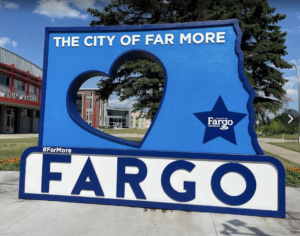
“Fargo, North Dakota — ‘The City of Far More,’ a growing metro known for stable housing, strong neighborhoods, and long-term real estate value.”
Fargo’s real estate market has experienced steady appreciation over the past several years, supported by strong local employment, continued development, and consistent buyer demand. Unlike overheated coastal markets, Fargo’s growth has been gradual and sustainable, making it attractive for both owner-occupants and long-term investors.
Home prices in Fargo have increased, but affordability remains a defining advantage. Compared to national averages, Fargo buyers often receive more square footage, newer construction, and functional layouts for their budget. This relative value continues to draw new residents from larger metros seeking stability and quality of life.
Equally important is Fargo’s economic balance. Healthcare, education, finance, manufacturing, technology, and agriculture-related industries all contribute to employment stability. This diversification helps insulate the housing market from sharp downturns and supports consistent housing demand.
What Is Driving Demand in the Fargo Housing Market?
Fargo’s housing demand is not accidental. Several core drivers continue to support activity across price points and neighborhoods.
- Population growth: Fargo continues to attract professionals, families, and relocations seeking affordability, opportunity, and community.
- Diverse job market: A broad employment base reduces volatility and supports long-term housing stability.
- Livability: Strong schools, parks, trails, cultural amenities, and neighborhood design contribute to long-term residency.
- Ongoing development: Infrastructure investment and new neighborhood construction support expansion while maintaining demand.
- Buyer confidence: Most Fargo buyers purchase homes as long-term residences rather than short-term investments.
When these factors align, housing demand remains steady even during national economic uncertainty. This consistency is one of Fargo’s defining market strengths.
Current homes for sale:
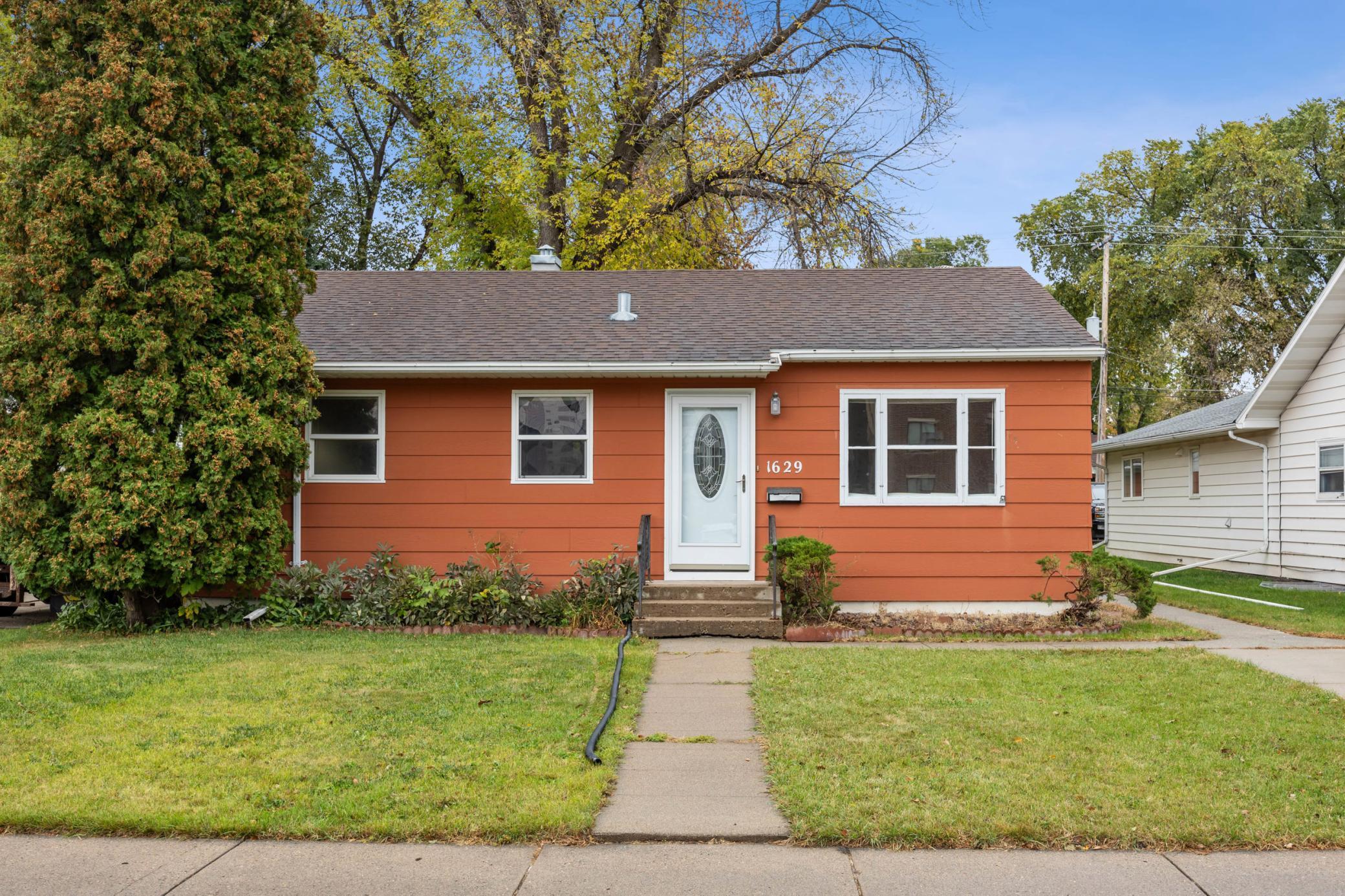
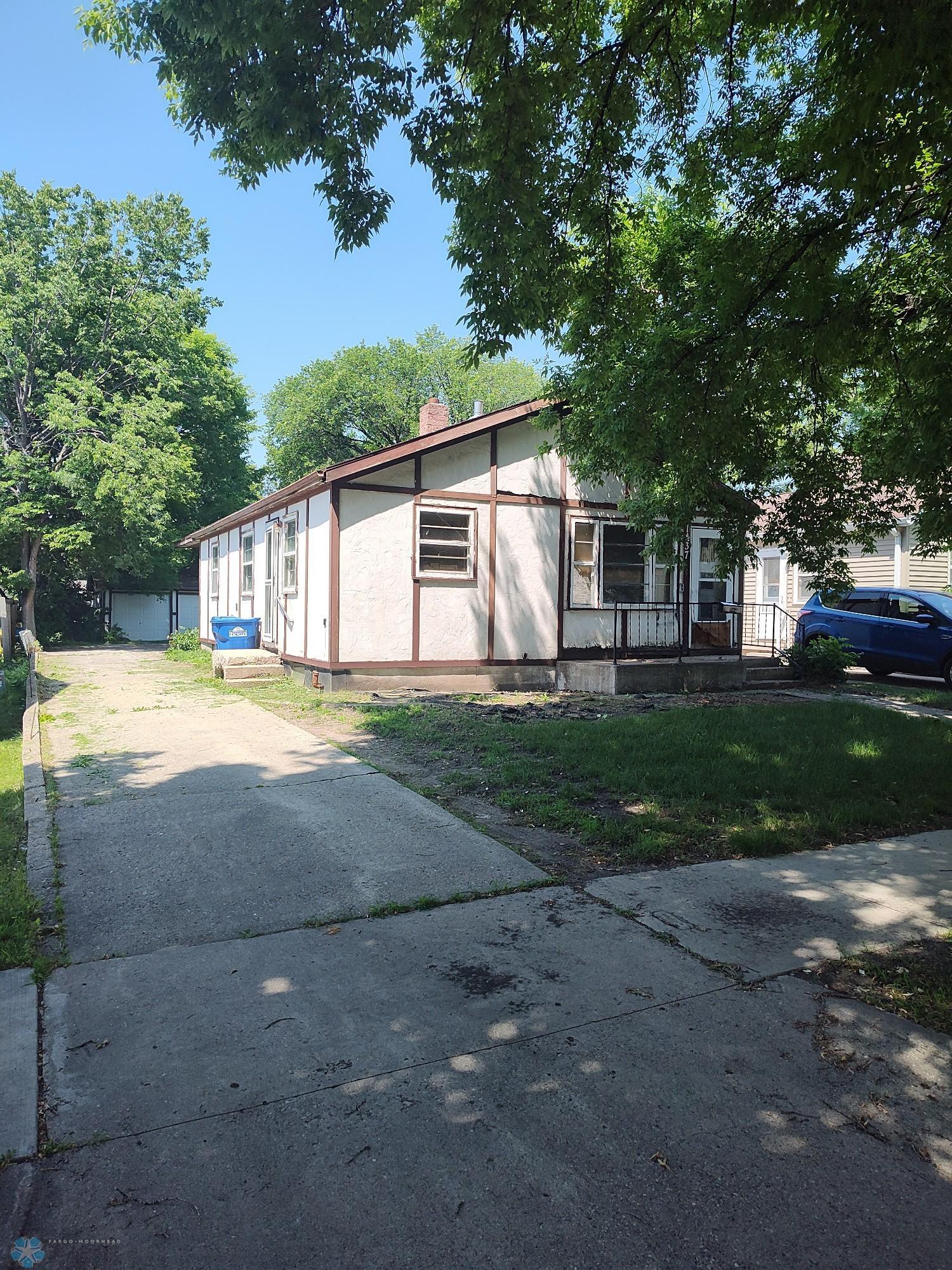
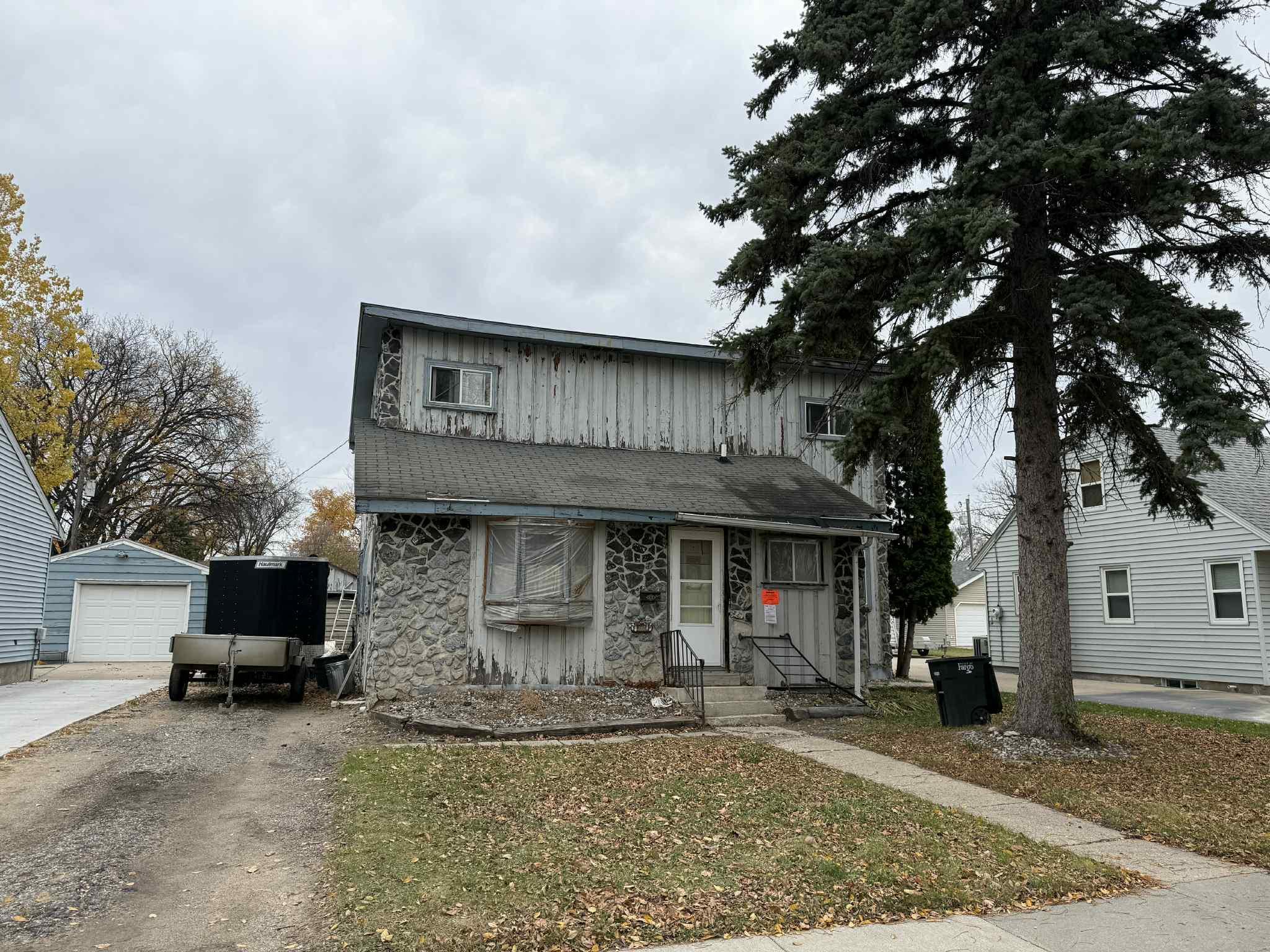
Single Family Homes For Sale Fargo, ND

IDX MLS IDX Listing Disclosure © 2026
The data relating to real estate for sale on this web site comes in part from the Broker Reciprocity SM Program of the Regional Multiple Listing Service of Minnesota, Inc. The information provided is deemed reliable but not guaranteed. Properties subject to prior sale, change or withdrawal. ©2024 Regional Multiple Listing Service of Minnesota, Inc All rights reserved.
Key Fargo Real Estate Market Trends
While individual homes vary, broader trends influence how quickly properties sell, how buyers prioritize features, and where pricing pressure appears. These are the most important Fargo real estate trends to watch.
1. Growing Demand for Luxury Homes in Fargo
Luxury home demand in Fargo has increased as higher-income buyers enter the market and existing homeowners move up. Fargo luxury real estate typically includes newer construction, modern finishes, upgraded kitchens, larger garages, and well-designed primary suites.
Practical features—such as heated floors, oversized garages, and finished basements—carry significant weight in Fargo’s climate. As luxury inventory expands, buyer expectations rise across adjacent price ranges.
2. Continued Strength in New Construction Homes
New construction remains a major force in Fargo’s housing supply. Builders continue developing single-family homes, twin homes, townhomes, and patio homes to meet varied buyer needs.
New construction appeals to buyers seeking energy efficiency, modern layouts, and lower immediate maintenance. While timelines and upgrade costs require planning, new builds often provide predictability and long-term value.
3. Increased Focus on Energy Efficiency and Ownership Costs
Fargo buyers are increasingly evaluating total cost of ownership—not just purchase price. Energy-efficient windows, insulation quality, HVAC systems, and utility expenses play a growing role in purchase decisions.
Homes with documented upgrades and newer mechanical systems tend to reduce buyer hesitation and support stronger offers.
4. Inventory Levels and Competitive Conditions
Inventory remains limited in certain Fargo price ranges, particularly for well-maintained homes in desirable neighborhoods. Properties priced appropriately and presented well often receive strong interest quickly.
Buyers benefit from preparation, including financing readiness and decisive timelines. Sellers benefit from pricing accuracy and professional presentation.
5. Functional Layouts and Lifestyle-Oriented Design
Buyers increasingly prioritize function: home offices, finished basements, flexible living spaces, and storage. Layout efficiency often matters as much as square footage.
Outdoor space, garage size, and proximity to schools, parks, and services continue to influence demand across Fargo neighborhoods.
6. Interest Rates and Buyer Affordability
Interest rate fluctuations directly affect buyer affordability and behavior. While Fargo remains comparatively affordable, buyers are increasingly payment-focused, adjusting expectations as rates change.
Sellers who understand payment sensitivity—and price accordingly—position their homes more competitively.
What This Means for Fargo Home Buyers
For buyers, Fargo remains a market where preparation and local knowledge matter. Financing clarity, realistic expectations, and understanding neighborhood dynamics improve outcomes.
Successful buyers define priorities clearly, act decisively when the right opportunity appears, and work with professionals familiar with Fargo-specific pricing and competition.
What This Means for Fargo Home Sellers
For sellers, Fargo’s market rewards preparation. Homes that are clean, well-maintained, and priced strategically tend to sell faster and with stronger terms.
Presentation, repairs, and pricing discipline reduce buyer uncertainty and increase confidence—often translating into better offers.
Fargo Real Estate Market Outlook
The Fargo housing market remains strong because it is built on stability, not speculation.
Fargo’s real estate strength comes from consistent population growth, a diversified economy, and neighborhoods designed for long-term living. Trends such as luxury demand, new construction, energy efficiency, and lifestyle-driven buying will continue shaping the market.
For buyers and sellers alike, the key advantage lies in understanding local conditions—not national headlines. Fargo continues to offer a practical, durable path to homeownership and long-term value, making it one of North Dakota’s most dependable real estate markets.
Unusual (But Important) Real Estate FAQs in Fargo, Moorhead & West Fargo
Why do homes in Fargo sell faster than people expect?
Because the Fargo housing market is driven by real demand, not speculation. Jobs, universities, healthcare systems, and regional employers create a steady flow of buyers who actually plan to live here. When a home is priced correctly in :contentReference[oaicite:0]{index=0}, it often attracts attention quickly—especially if it has a functional layout and a decent garage (which is never optional in North Dakota).
Is winter really a factor when buying a home in Fargo–Moorhead?
Absolutely—but not in the way outsiders assume. Locals don’t fear winter; they plan for it. Buyers in :contentReference[oaicite:1]{index=1} and Fargo pay close attention to insulation, furnace age, window quality, and garage size. Winter doesn’t scare buyers—it filters out poorly maintained homes.
Why do garages matter so much in this market?
In Fargo–Moorhead–West Fargo, garages aren’t a luxury—they’re infrastructure. Buyers want space for vehicles, storage, tools, bikes, and snowblowers that may or may not have emotional significance. A heated or oversized garage can materially impact buyer interest and resale value, especially in winter-heavy neighborhoods.
Do buyers really choose neighborhoods differently here than in larger cities?
Yes. In larger metros, buyers often chase prestige ZIP codes. In Fargo, Moorhead, and :contentReference[oaicite:2]{index=2}, buyers prioritize livability: commute time, schools, parks, trails, snow removal reliability, and how quickly they can get groceries without crossing half the metro. Practical convenience often outweighs brand-name neighborhoods.
Why do “finished basements” matter more in this area?
Because winter exists—and people live their lives indoors for part of the year. Finished basements in the Fargo–Moorhead area aren’t bonus space; they’re core living space. Buyers value basements that feel intentional: proper lighting, ceiling height, bedrooms, offices, and family rooms that don’t feel like an afterthought.
Is Fargo a risky market for first-time home buyers?
Ironically, Fargo is often safer for first-time buyers than many national markets. Price swings tend to be more stable, inventory cycles are more predictable, and homes are typically built for long-term use rather than short-term flips. First-time buyers who focus on fundamentals—condition, location, and payment comfort—often do well here.
Why do people move from Fargo to West Fargo instead of leaving the metro?
West Fargo offers newer housing stock, expanding schools, and proximity to Fargo employment without giving up community feel. Many buyers don’t want to leave the metro—they just want a newer home, a different layout, or a quieter subdivision while staying close to work and amenities.
Does curb appeal matter as much in a snowy climate?
Yes—just differently. In Fargo–Moorhead, curb appeal includes roof condition, siding quality, drainage, driveway condition, and how the home handles winter wear. Buyers notice whether a home looks prepared for snow, ice, and temperature swings. Landscaping is seasonal, but durability is year-round.
Are buyers in this area more cautious than elsewhere?
They’re more practical. Fargo-area buyers tend to ask detailed questions about utilities, taxes, specials, and long-term maintenance. This isn’t hesitation—it’s Midwest due diligence. Homes that come with transparency and documentation tend to build trust faster and negotiate more smoothly.
What surprises newcomers most about Fargo–Moorhead real estate?
How normal—and livable—it feels. Many newcomers expect “temporary housing” and end up buying long-term homes. Strong neighborhoods, manageable commutes, real seasons, and stable housing costs often convert short-term plans into permanent ones.
People Also Ask: Fargo vs. Moorhead vs. West Fargo Real Estate Questions
Quick Links:
Fargo •
Moorhead •
West Fargo •
Metro-Wide •
Buyers •
Sellers •
Listings •
Neighborhoods
People Also Ask: Fargo, ND Real Estate
Is Fargo, ND a good place to buy a home?
Yes. Fargo offers a stable housing market supported by diverse employment, strong schools, and consistent population growth. Buyers are often drawn to Fargo for its central location, established neighborhoods, and long-term resale stability. If you’re starting your search, explore Fargo homes for sale and review buyer resources to plan your next steps.
Why do Fargo homes sell quickly?
Fargo homes sell quickly when priced correctly because buyer demand is steady and inventory is limited in key price ranges. Properties with updated systems, functional layouts, and garages tend to attract immediate interest. To see what’s moving right now, browse current listings and check seller strategy resources if you’re preparing to list.
Are Fargo property taxes high?
Fargo property taxes vary by neighborhood and home value but are generally considered moderate compared to national averages. Buyers often find overall monthly housing costs remain competitive due to stable home prices. For payment planning, start with home buyer guidance and compare neighborhoods using local area pages.
What neighborhoods in Fargo are most popular with buyers?
Buyers often favor Fargo neighborhoods with strong school access, convenient commutes, and nearby amenities. Practical livability tends to matter more than prestige ZIP codes. If you want a simple way to narrow options, start with neighborhood and community guides and then jump to Fargo listings.
People Also Ask: Moorhead, MN Real Estate
Is Moorhead, MN cheaper than Fargo for housing?
In many cases, yes. Moorhead homes can offer lower purchase prices or different value propositions, though Minnesota property taxes may be higher. Buyers often compare total monthly costs rather than price alone. Begin with Moorhead homes for sale and review buyer resources before choosing a city.
Why do buyers choose Moorhead over Fargo?
Buyers choose Moorhead for Minnesota residency benefits, school preferences, and value opportunities while still enjoying full access to the Fargo–Moorhead metro economy and amenities. To explore options, visit the Moorhead listings page and use community guides to compare areas.
Are Moorhead homes harder to resell?
No. Moorhead homes resell well when priced appropriately and maintained. Demand remains strong due to limited inventory and buyers specifically seeking Minnesota-based properties. If you’re thinking about selling, review home seller resources and consider a local pricing strategy before listing.
Does Moorhead real estate behave differently than Fargo?
Moorhead’s market tends to be slightly more price-sensitive, but overall trends closely track Fargo due to shared employment, commuting patterns, and regional demand. For a clear side-by-side comparison, browse active listings across all three cities and compare with buyer guidance.
People Also Ask: West Fargo, ND Real Estate
Why is West Fargo growing so fast?
West Fargo is growing rapidly due to new housing developments, expanding schools, and proximity to Fargo employers. Buyers often see West Fargo as a way to get newer homes without leaving the metro. Start here: West Fargo homes for sale.
Are homes newer in West Fargo?
Yes. West Fargo has a higher concentration of new construction compared to Fargo and Moorhead. Buyers often find modern layouts, energy efficiency, and larger garages in newer developments. If you’re shopping new builds, use buyer resources and compare neighborhoods via local guides.
Is West Fargo more expensive than Fargo?
Not necessarily. While some new homes command higher prices, West Fargo often offers strong value per square foot. Pricing depends on neighborhood, home age, and features. To compare quickly, browse West Fargo listings alongside Fargo listings.
Who is West Fargo best suited for?
West Fargo appeals to buyers seeking newer construction, quieter residential areas, and growing school districts while remaining close to Fargo’s job centers and amenities. If you want “newer home, less guesswork,” start with West Fargo homes for sale and then check buyer next steps.
Metro-Wide People Also Ask (Fargo–Moorhead Area)
Should I buy in Fargo, Moorhead, or West Fargo?
It depends on priorities. Fargo offers central access and established neighborhoods, Moorhead provides Minnesota residency benefits and value, and West Fargo attracts buyers seeking newer construction and expansion. A smart move is to compare listings city-by-city: Fargo, Moorhead, and West Fargo.
Do homes sell faster in Fargo or West Fargo?
Sales speed depends more on price and condition than city. Well-priced homes in all three areas can sell quickly, especially in entry-level and move-up price ranges. To track what’s active, use current listings, and for selling strategy, see seller resources.
Is the Fargo–Moorhead housing market stable?
Yes. The metro’s housing market is supported by diversified employment, universities, healthcare systems, and consistent population growth, resulting in fewer extreme swings. If you’re planning a move, start with home buyer guidance or selling resources depending on your timeline.