
North Dakota Real Estate NEWS
In the frozen heartland where amber waves of grain clash with brutal winters, a real estate boom is defying the doomsayers. Farmland in North Dakota and Minnesota – the breadbasket’s unsung heroes –

North Dakota and Minnesota farmland just hit another all-time high in 2026 — low supply, red-hot cattle profits, and big-money investors are flooring the gas. Here’s exactly what’s sending these acres into the stratosphere.
is skyrocketing like a Wall Street stock tip gone rogue.
Forget the headlines screaming about slumping corn prices and sky-high interest rates; these acres are fetching record bucks, turning dirt into dollars faster than you can say “subsidized soybeans.” But what’s fueling this Midwestern gold rush? Buckle up, city slickers – we’re diving deep into the dirt.
The Skyrocketing Stats: Numbers That’ll Make Your Jaw Drop
If you’ve ever wondered why flyover country feels like the only place where land values just keep grinding higher, the numbers tell a clear story — even if they’re not quite as headline-grabbing as some claims. According to the USDA’s latest 2026 Land Values Summary, U.S. cropland averaged about $5,830 per acre, up roughly 4.7 % from the year before, reflecting continued national demand for agricultural ground. In the Upper Midwest, Minnesota cropland hit around $7,000 per acre in 2025, an increase of about 7 % year-over-year. In North Dakota, USDA reports cropland averaging about $2,710 per acre, up low-single digits from 2024 — a much more modest gain compared with decade-long trends but still positive growth.
Local surveys paint a somewhat richer picture: data from NDSU Extension and the ND Department of Trust Lands shows weighted average cropland values climbing from roughly $2,519 per acre in 2022 to over $3,500 in 2025 — a near-40 % increase over four years and double-digit annual gains in some regions — underscoring that strong localized demand and tight supply can push prices above USDA state averages.
• North Dakota cropland: $3,500/acre ( 10.55% YoY)
• Minnesota cropland: $7,000/acre ( 7% YoY)
• Pastureland: ND 8.6% · MN 4%
• Red River Valley prime land: $6,000–$8,500/acre
• Cash rents: ND 4.25% · rent-to-value ratio: 2.34%
North Dakota: The Double-Digit Dynamo
North Dakota’s farmland frenzy is nothing short of biblical. Every single one of the state’s nine agricultural regions – from the fertile Red River Valley to the wind-swept Southwest – posted gains in 2026. Premium parcels in the East Central region, prime for wheat and soybeans, are trading hands at $5,000-plus per acre, while even marginal land in the Southwest clawed back with a modest uptick.
Cash rents? They’re up 4.25% statewide, but here’s the kicker: the rent-to-value ratio has plummeted to a measly 2.34% – meaning owners are raking in peanuts compared to what the land’s worth. It’s like owning a Manhattan penthouse and renting it out for a subway token.
This isn’t some fluke. The North Dakota Department of Trust Lands Annual Land Survey shows a 40% spike over four years, fueled by high net farm incomes that have farmers feeling flush. And pastureland? Up 8.6%, the highest in the Northern Plains, as ranchers cash in on record cattle prices.
Minnesota: From Potatoes to Pastures, Profits Pour In
Over the border in Minnesota, the story’s equally juicy. Nonirrigated cropland values climbed 3% in Q1 alone, with the state average hitting $7,000 – a far cry from the $3,000 it hovered at in 2015. Irrigated gems around Park Rapids and Alexandria, perfect for potato kings like R.D. Offutt Co., held rock-steady amid the chaos, drawing deep-pocketed buyers like bees to honey.
Pastureland? A 4% leap to $2,300 per acre, outpacing the national average. Southern Minnesota saw a slight pullback – tighter margins and input costs bit hard – but northern high-yield spots are hotter than a jalapeño harvest.
The Big Drivers: What’s Revving This Farmland Rocket?
You don’t get a boom like this without some serious horsepower under the hood. Call it the perfect storm – or a drought-resistant miracle – but four key forces are shoving North Dakota and Minnesota farmland values into the stratosphere.
Force #1: Low Supply, High Demand – The Classic Scarcity Play
In real estate, it’s all about location, location… and not having any damn listings. Farmland for sale in the Upper Midwest is scarcer than a vegan at a bacon festival. Farmers aren’t offloading; they’re holding tight, buoyed by solid balance sheets and a “buy now before it’s gone” mentality.
Private transfers – think family hand-me-downs or landlord-to-tenant deals – are surging, while public auctions take a breather. This scarcity jacks up prices. In North Dakota, 2026 auction schedules are packed, matching last year’s frenzy.
Investor Appetite: Wall Street Eyes the Wheat Fields
It’s not just Ma and Pa Kettle bidding anymore. Nonfarm investors – think hedge funds and billionaire hobbyists – are piling in, seeing farmland as the ultimate inflation hedge. Bill Gates might own chunks of the heartland, but locals like Scott Bessent – the soybean “farmer” Treasury pick – are cashing subsidy checks on his 5,662 North Dakota acres, stirring ethics debates but underscoring the allure.
These big fish are pushing investing in Minnesota pastureland for cattle operations into overdrive, with values up 4% on beef bonanza bets.
• 54% local farm operators expanding acres
• 29% non-operator investors (trusts, 1031 exchanges, hedge fund capital)
• 11% institutional & pension fund buyers
• 6% recreational / lifestyle buyers
Cash-rich bids are dominating — financed offers are losing ground.
Force #2: Commodity Cash Cow – Even Slumping Prices Can’t Kill the Vibe
Sure, corn prices have been under pressure with U.S. cash prices hovering around historical averages near roughly $3.90–$4.00 per bushel in late 2025, and soybean prices slightly softer than a couple years ago, reflecting abundant supplies and global competition. But don’t pass out on behalf of America’s farmers just yet — USDA forecasts net farm income is set to climb sharply in 2025, with net farm income projected at about $179.5–$179.8 billion (up roughly 37–40 % from 2024), largely thanks to strong livestock receipts and government support. Cash receipts for cattle and calves are also forecast to rise meaningfully in 2026, driven by powerful prices amid tight supplies.
Export dynamics have been mixed: while commodity markets overall face headwinds, U.S. wheat export sales to Mexico and other destinations have shown solid activity in recent USDA export reports, and overall wheat commitments remain strong into the 2026–27 marketing year.
And cattle? U.S. cattle and beef markets surged into 2025, with prices — including live cattle and boxed beef values — reaching record or near-record levels as tight herd inventories and strong demand pushed returns higher. That backdrop has helped underpin pasture and ranchland values across key Plains and Upper Midwest states as ranchers navigate expanding herds and constrained supplies.
Force #3: The Inflation Shield – Farmland as the New Gold
In a world where your 401(k) feels like a piñata at a bear market party, farmland’s the asset that sleeps easy. It’s outperformed stocks and bonds for years, with low volatility and built-in income from rents. Higher interest rates? They’re making bonds competitive, but farmland’s 2-3% yields plus 5-10% annual appreciation trounce ’em.
Government Goodies: Subsidies and Safety Nets
Uncle Sam’s not sitting this out. Crop insurance payouts and revenue-sharing tied to prices keep the party going. The Farm Bill’s extensions through 2025 ensure steady support, insulating against trade wars or tariff tantrums. It’s no wonder diversifying with North Dakota wheat fields is the hot ticket for savvy portfolios.
Force #4: Rate Hikes? What Rate Hikes? Resilience Rules
Everyone’s wailing about the Fed’s stubborn rates, but farmland’s shrugging it off like a bad blind date. Sure, financing’s pricier, making buyers pickier, but cash-rich locals and institutions are swooping in.
“This isn’t speculative money — it’s confidence money. Operators are buying because they expect profit, not because they fear missing out.”
— Regional ag lender comment, Fargo market
Regional Hotspots: Where the Deals (and Dollars) Are Popping
Not all acres are created equal. In North Dakota, the Red River Valley’s CSR 80+ soils are gold dust, fetching $6,000-$7,000 for high-quality irrigated cropland in North Dakota. Northeast region’s up 5.4% in rents, driven by durum demand.
Minnesota’s north – think Polk and Norman counties – leads with $8,000+ premiums for tile-drained beans. For investing in Minnesota pastureland for cattle operations, Stearns County’s up 4%, thanks to beef bulls.
County-by-County Cash Cow Breakdown
- North Dakota’s Benson County: Top performer, up 12% to $4,200/acre on wheat yields.
- Wells County: Bessent’s backyard, subsidies sweetening the pot at $3,800.
- Minnesota’s Renville: Southern stabilizer at $7,500, flex rents hitting $250.
- Douglas: Potato paradise, irrigated at $8,500 – auctions drawing NYC money.
Challenges on the Horizon: Clouds Over the Cornfield?
No boom lasts forever, and agriculture is feeling some storm clouds gather. U.S. row crop markets are under significant pressure — corn prices are forecast around $4.10 per bushel in 2026 with producers facing tight margins or potential losses, even as planting costs remain high. Corn receipts and soybean receipts are both projected to decline this year as prices soften and quantities sold struggle, underscoring continuing headwinds for crop producers.
Interest rates, even if trimmed slightly from recent peaks, remain elevated enough to squeeze leveraged buyers and dampen land investment activity, while regional farmland reports show cropland values in places like North Dakota have softened even as pasture values gain ground, pointing to a mixed outlook for agricultural land.
Trade volatility adds another layer of uncertainty. Ongoing tariff disputes and trade tensions with major partners (including disruptions tied to tariff policy with Canada, Mexico and China) introduce risk for U.S. agricultural exports, which historically have been a meaningful destination for crops like soybeans and wheat.
Yet even amid these challenges, resilience persists on the prairie. Strong livestock and cattle markets continue to support ranch incomes and pasture demand, and many producers — anchored by diversified operations and risk management strategies — continue to invest, confident that long-term fundamentals still favor productive land and adaptive agricultural enterprises.
2026 Farmland Forecast: What Happens Next?
- Expected price growth: 3–7% if interest rates stabilize
- Pastureland likely to outperform cropland if cattle margins remain strong
- Highest upside projected: tile-drained soybeans, irrigated potato farmland, and Red River Valley wheat ground
• Buyers: Liquidity rules — cash offers win over financing in roughly 70% of deals.
• Investors: Best returns are now in 3–5 year holds, not quick flips.
The Bottom Line: Dirt’s the New Diamond – Get In or Get Left in the Dust
As 2025 wraps, North Dakota and Minnesota farmland isn’t just rising – it’s roaring, a defiant middle finger to economic gloom. Low supply, cattle cash, investor itch, and inflation armor are the jet fuel, with regional gems like soybean farmland investment opportunities in the Red River Valley shining brightest.
Sure, headwinds howl, but history says bet on the boom. For city folks eyeing the next big thing, now’s the nibble – before the next harvest hooks ’em higher. This ain’t your grandpa’s farm; it’s the hottest hedge in town. Who’s plowing in?
Rural Properties For Sale
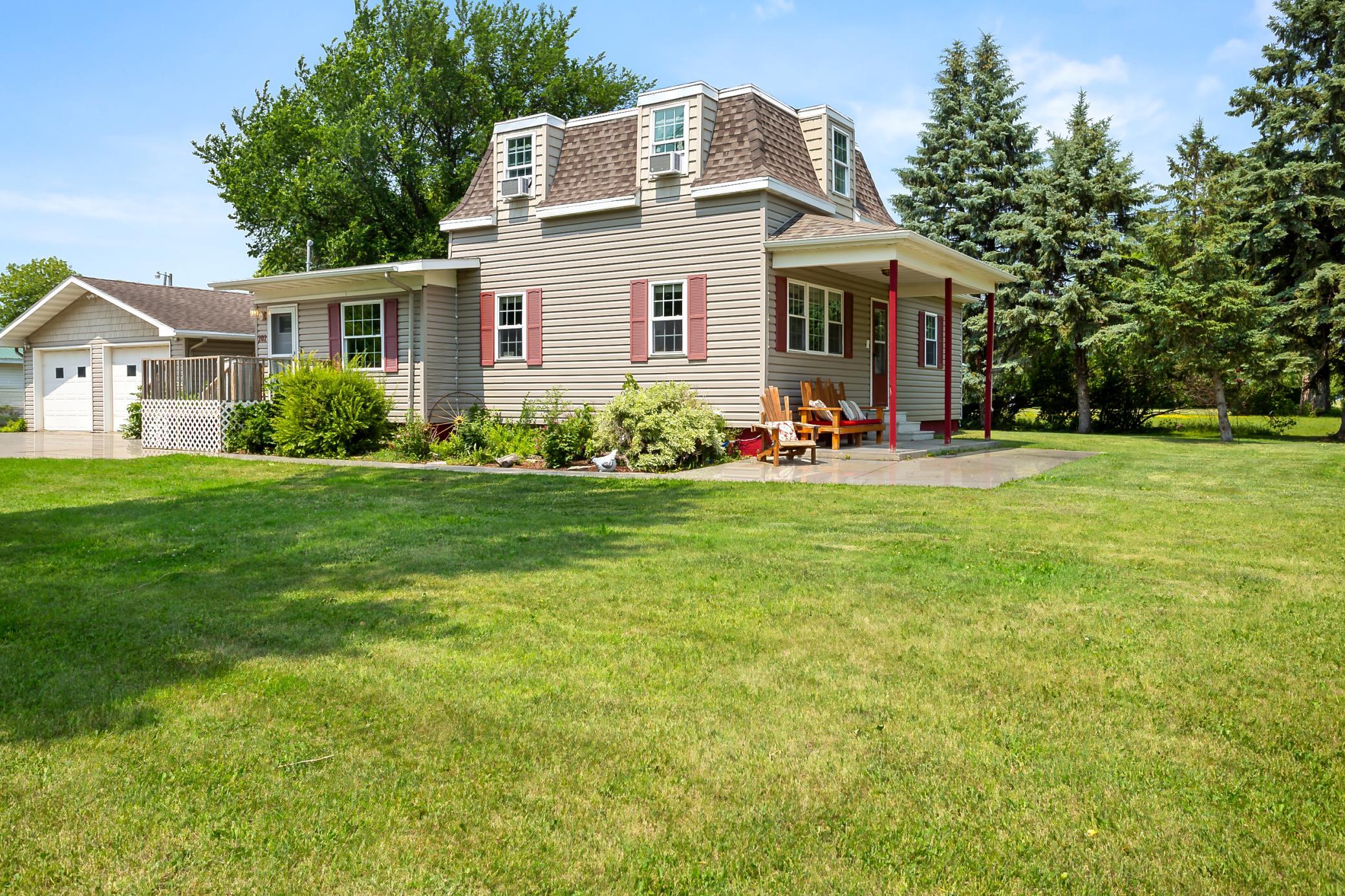
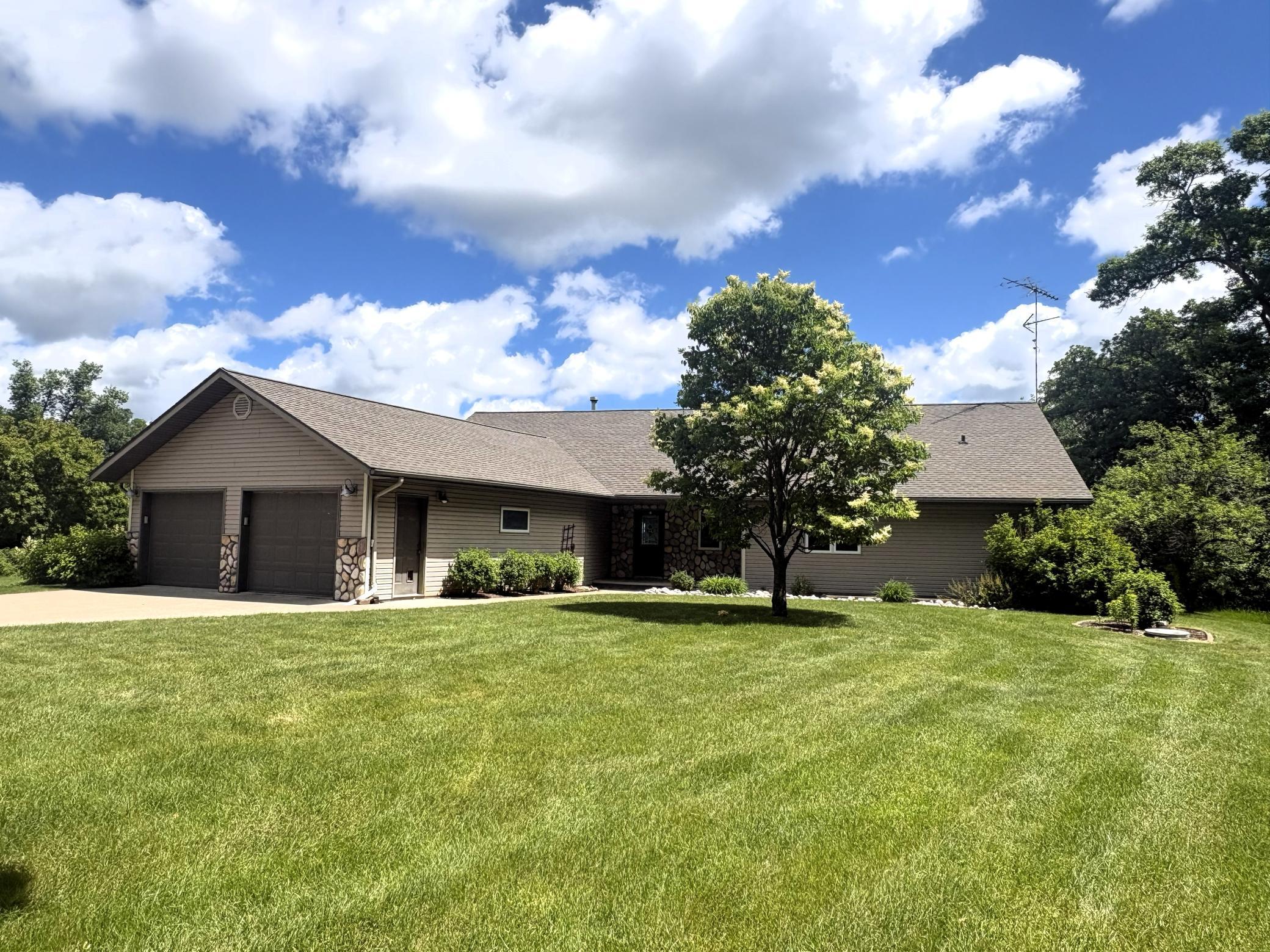
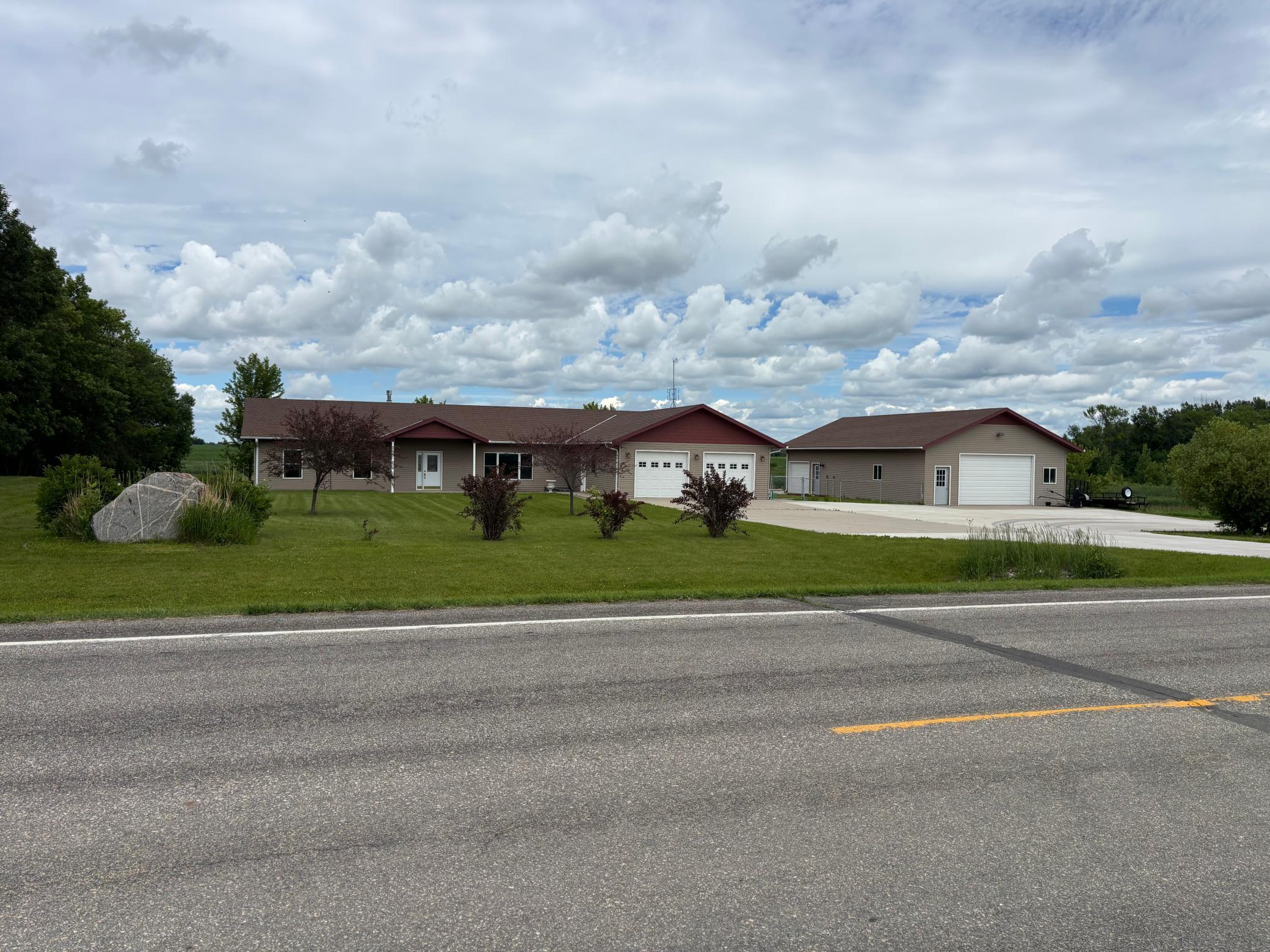
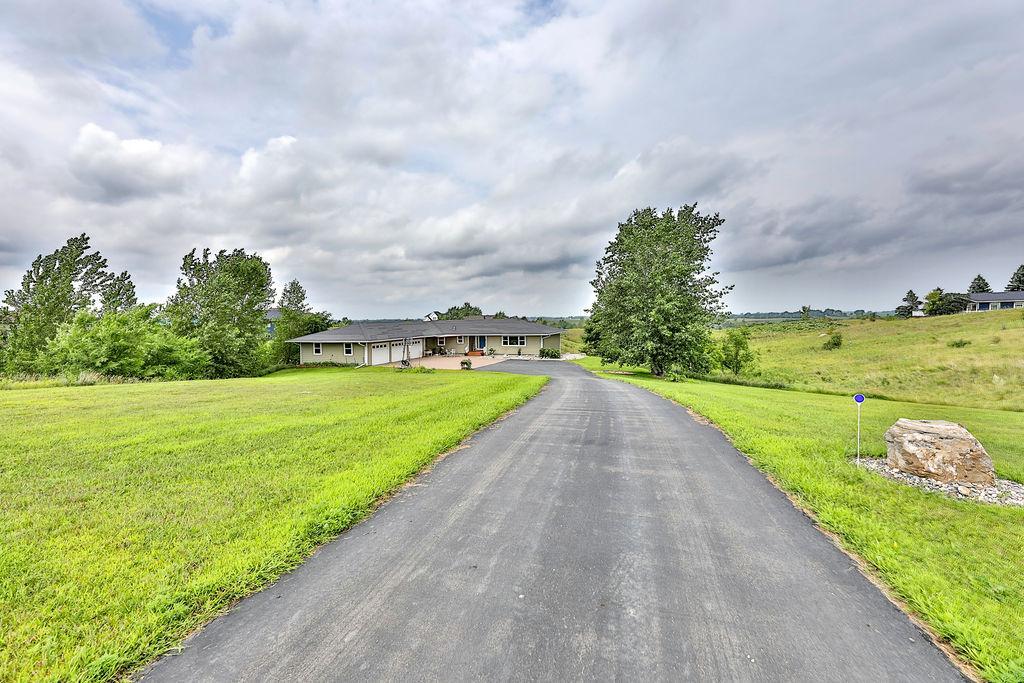
IDX MLS IDX Listing Disclosure © 2026
The data relating to real estate for sale on this web site comes in part from the Broker Reciprocity SM Program of the Regional Multiple Listing Service of Minnesota, Inc. The information provided is deemed reliable but not guaranteed. Properties subject to prior sale, change or withdrawal. ©2024 Regional Multiple Listing Service of Minnesota, Inc All rights reserved.
If you’re considering buying or selling farmland in 2026, market timing is everything — and the window is open right now. Data, speed, and local expertise decide who wins the deal.
Farmland Boom FAQ — Read This Before You Buy or Sell
Is it too late to buy farmland in North Dakota or Minnesota?
Nope. Prices are high, but fundamentals are still strong — low supply, investor demand, and cattle margins aren’t fading fast. The smart play now is targeting high-ROI pockets (irrigated potato ground, tile-drained bean acres, and Red River wheat belts). Overpaying blindly is how newcomers get burned — precision beats panic buying.
Will farmland prices crash if commodity prices fall?
Historically, land values don’t crash — they cool. Unless incomes sink for multiple seasons in a row, farmland tends to flatten rather than free-fall. Long story short: it’s one of the most resilient asset classes on the planet.
Who’s actually buying all this farmland?
A mix of the usual suspects and some surprising newcomers: local farm operators expanding acres, investors chasing inflation-proof assets, 1031-exchange buyers, pension funds, and a trickle of lifestyle purchasers. Cash is king — financing is no longer the winning bid in most auctions.
Is farmland a smart investment for people with no ag background?
Potentially, yes — but not solo. Partner with a local operator, hire a farm manager, or lease the ground to an experienced producer. Amateur do-it-yourself farming is a fast track to a bankruptcy plot on Zillow.
How do you make money from farmland?
Two ways: appreciation and income. Appreciation has averaged 5–10% annually in the Upper Midwest the past five years. Rents run 2–3% yields (higher on pasture during cattle booms). Appreciation + rents beat most bonds and compete with stocks — minus the stomach-dropping volatility.
Is now a good time to sell?
If you’re considering it, this is the most seller-favored environment in a decade. Low listings + aggressive buyers = leverage. If rates drop in 2026, more inventory could hit the market, easing the feeding frenzy.
What’s the biggest mistake buyers are making right now?
Chasing headline hype instead of analyzing soil quality, drainage, water rights, and crop insurance eligibility. A bargain that loses 20 bushels per acre isn’t a bargain — it’s a liability.
What’s the biggest mistake sellers are making?
Quiet listings without competitive tension. In this market, creating multiple bids often adds $500–$1,500 per acre — leaving money on the table is common when sellers accept the first offer.
Should I wait for interest rates to drop before making a move?
If rates fall, more buyers will jump in — and prices will likely rise again. Waiting for lower rates usually means paying more for the ground later. Timing isn’t about rates — it’s about inventory.
Still have questions? Farmland isn’t just dirt — it’s a data game. The more you know, the better your acres grow.